Small words, big changes
Free tools for intermediate and advanced learners of English, and the teachers who work with them. Phrasal verbs, word partners, confusing pairs and practice that remembers.
- Getting bigger, louder or faster: speed up, turn up, build up
- Doing it completely, to the end: use up, eat up, clean up
- Making, arranging and starting: set up, draw up, make up
Six ways to learn the words that textbooks skip
- Phrasal verbs91 verbs with meanings, examples and whether you can split them. Sort them by particle.
- CollocationsMake or do? Heavy or strong? Five sets of word partners, each with a gap-fill quiz.
- Confusing wordsAffect and effect, lend and borrow, fewer and less: the rule, a tip and a quiz for each pair.
- British and AmericanWords, grammar and spelling that change across the Atlantic, so you can stay consistent.
- Spaced repetitionA short daily session that brings back what you got wrong. Your progress stays on your device.
- Printable worksheetsChoose a topic and a length, then print a worksheet with an answer key.
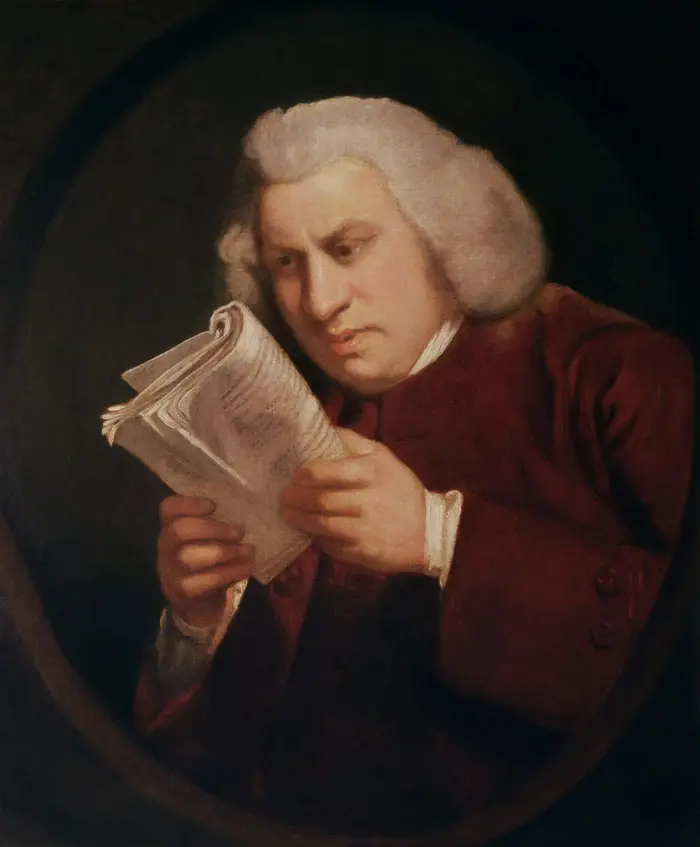
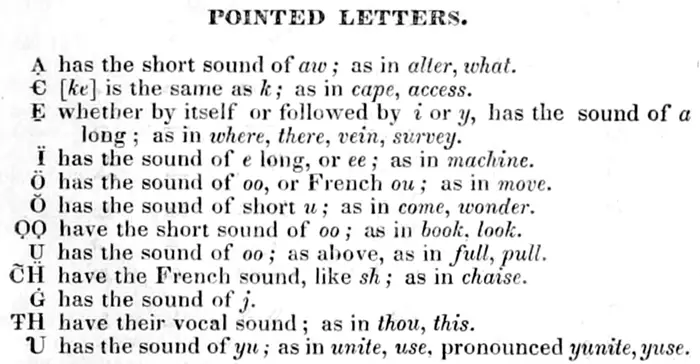
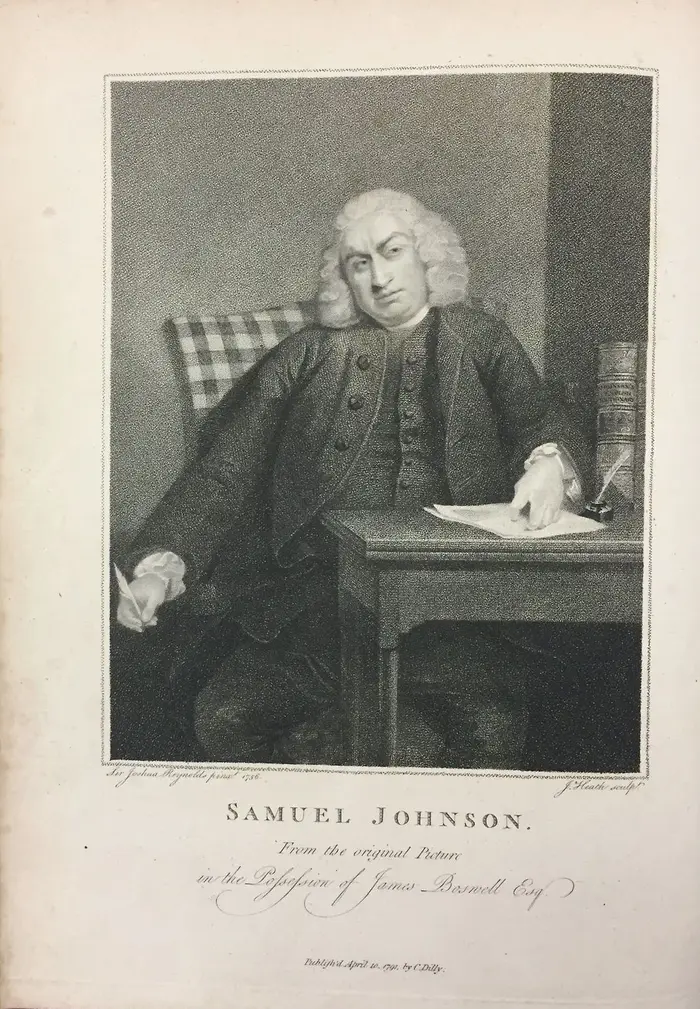
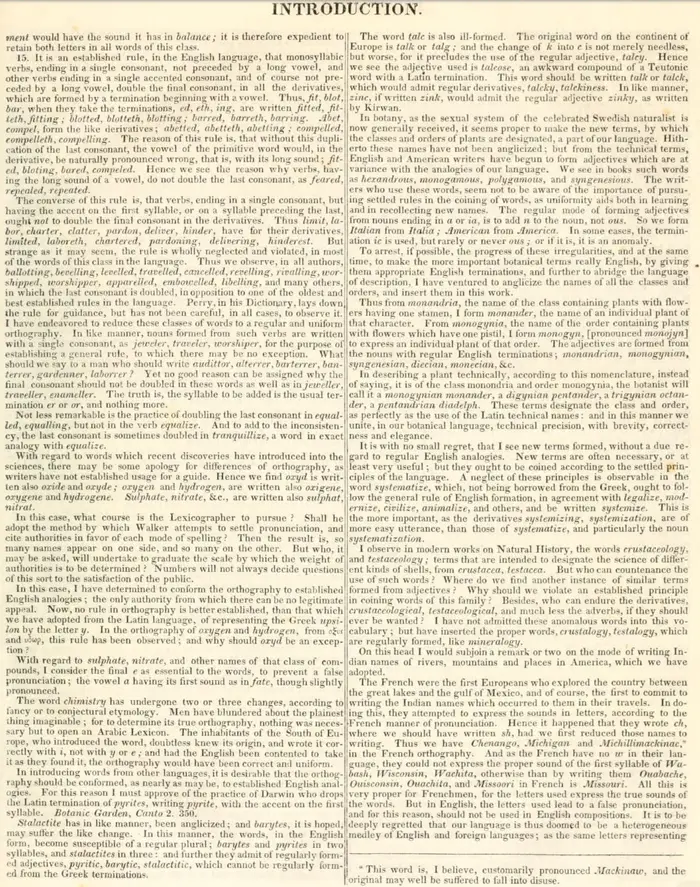
Two dictionaries, two spellings
Samuel Johnson’s dictionary of 1755 helped fix the spellings used in Britain. Noah Webster’s of 1828 championed the ones Americans use today, such as color and center.
Two centuries later the choice still matters in an exam or a job application. Learn the main differences in words, grammar and spelling, and stay consistent.
Try one question
Every question in the quizzes is one sentence and a few choices. Pick one and see why.
Print it, hand it out
Every drill on the site can become a worksheet. Pick a topic, choose how many questions, and print with or without the answer key.
A new random version is one click away, so neighbours cannot copy. Missing particles, matching, sorting tables and word choice are all there.
Questions
Is it British or American English?
The site is written in British English, and wherever the two differ the entry says so: for example, get on with is British, get along with is common in both, and take a shower is the American default. See British and American.
Where are the example sentences from?
We write them, so they are short, natural and checked for the point they teach. Meanings are explained in plain English. Each phrasal verb links to Wiktionary for further reading, which is available under a CC BY-SA licence.
How does the spaced repetition work?
A card you get right comes back after a longer gap each time (one day, two, five, twelve, thirty). A card you get wrong comes back sooner. Progress is stored in your browser only, and you can export it to move to another device.
Which level is this for?
Mostly B1 to C1 on the CEFR scale: learners who already know the basics and need the natural combinations that make English sound fluent.